NetShort - Popular Dramas & TV
- 4.7
- Rating
- 100.00M
- Installs
- Free
- Price

 Analysis by App-foxy
I spent time with NetShort as an entertainment app built around short-form drama, and my first impression was clear: it is designed for people who want a story to start quickly and keep moving. Instead of asking me to commit to a long television episode, the app presents compact dramatic installments that are easy to sample during a break, on a commute, or before bed. That format is its main appeal, but it also affects how I judge the experience: the quality of the discovery tools, the way viewing choices are presented, and the amount of control I have over spending matter just as much as the stories themselves.
NetShort is developed by NETSTORY PTE. LTD. and belongs to the entertainment category. It is free to install, carries a Teen content rating, and is available for devices running Android 8.0 or later. The current release is version 2.1.3. I would describe it as a focused short-drama library rather than a replacement for a full streaming service. If you enjoy cliffhangers and fast-moving serialized fiction, it makes sense. If you prefer complete films, long episodes, documentaries, or carefully curated television catalogs, the format may feel limited.
How NetShort builds trust around quick entertainment
The app has attracted a substantial audience, with more than 50 million installs and an average rating of 4.4 from roughly 979 thousand ratings. Those figures tell me that the short-drama format has found a real audience, although popularity alone is not proof that every viewer will be comfortable with the experience. I pay more attention to what I can see and control while using an app: whether choices are understandable, whether payment steps are deliberate, and whether the app gives me enough information to make sensible decisions.
You May Also Like

 Pandora - Music & Podcasts
Pandora’s Music Is Easy to Start, but Harder to Recover
Pandora’s strength is its low-effort path from a seed to a station. Its weak spot is how much confidence it asks you to place in connection, setup, and quiet recovery.

 8 Ball Pool
 Is Built on Rivalries, Rematches, and Routine
A close look at the rivalries, rematches, shared routines, and unanswered safety questions that turn a quick pool match into a persistent mobile community.

 Samsung Music
’s Quiet Strength Is Playing What You Already Own
Its reach comes less from spectacle than from dependable access to a personal library. That simplicity is both the app’s strongest retention engine and its ceiling.

 AccuWeather: Weather Radar
AccuWeather Review: A Quick, Clear Forecast for Everyday Decisions
For everyday plans, the best forecast is the one you can understand quickly. AccuWeather makes rain timing, radar, and local conditions easy to act on, with a few trade-offs.

 Hill Climb Racing
Why Hill Climb Racing Still Turns Crashes Into One More Run
A tiny car, a bumpy hill and one more upgrade: Hill Climb Racing keeps resurfacing because its simple chaos makes every near-miss feel personal.

 AliExpress - Shopping App
AliExpress Makes Global Shopping Feel Personal, but Shoppers Bear the Risk
AliExpress turns a global marketplace into a pocket-sized discovery engine. Its reach is useful, its shopping loop compelling, and its trade-offs easy to miss.
More From Our News Desk
View All News


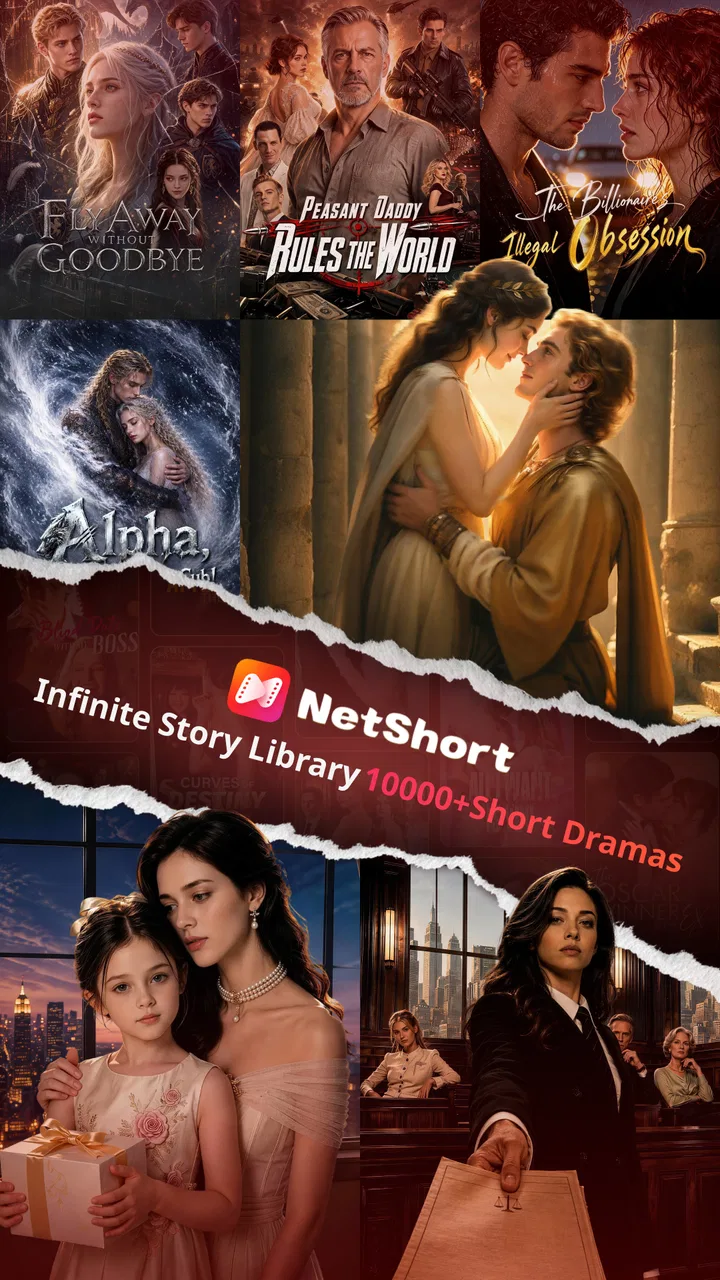
NetShort’s presentation is straightforward. I can open it with the expectation that the main activity is watching short dramatic videos, not editing, messaging, or managing a complicated media server. The store description emphasizes HD viewing and trending reels, which matches the app’s quick, mobile-first character. That focus is useful because it reduces the time between opening the app and finding something to watch, but it also means I would not choose it for a broad, all-purpose video experience.
The Teen rating is worth taking seriously. Short dramas often rely on emotional conflict, romance, family disputes, betrayal, danger, or other mature themes even when individual installments are brief. I would not hand the app to a child simply because the videos are short. Parents should check the device’s existing content and purchase controls as well as the app’s visible choices, particularly if a shared phone or tablet is involved.
The developer is identified as NETSTORY PTE. LTD., which gives the app a clear publisher identity in the store. For me, that is a useful starting point when deciding whether to install an entertainment product, but it does not replace reading the permissions and privacy information shown on the device or in the store. I avoid assuming that a familiar interface automatically means minimal data collection. My practical rule is simple: review each permission request when it appears, and decline anything that does not make sense for watching dramas.
What I could control while browsing
One of the most important trust signals in a short-video app is whether browsing feels like a series of forced decisions or a sequence I can pause and evaluate. I found it helpful to slow down before selecting a title, especially when a dramatic preview made a show look more urgent than it really was. A thumbnail or short clip can establish a mood, but it cannot tell me whether the writing, pacing, or ending will suit me.
I also treat recommendations as suggestions rather than instructions. Trending content can be a useful way to discover a popular series, yet it may push me toward stories that are not a good fit for my preferences. I get better results when I decide what kind of mood I want first: romance, revenge, family conflict, suspense, or something lighter. That small habit reduces aimless scrolling and makes the app feel more like a personal viewing tool than an endless feed.
For anyone concerned about privacy, the most responsible approach is to inspect the permission prompts and account settings directly on the phone. I do not grant access simply because an app requests it. Watching video does not normally require me to expose unrelated parts of my device, so I would question any request that appears disconnected from playback or basic app operation. The important point is not to guess what NetShort does with information; it is to make an informed choice whenever the operating system presents one.
There is a similar lesson with notifications. Drama apps can be tempting because alerts bring viewers back to unfinished stories, but frequent notifications can turn a casual pastime into a constant interruption. I prefer to keep notifications limited unless I am actively following a series. On Android or iOS, system-level notification controls give me a practical way to reduce that pressure without abandoning the app altogether.
The real cost of a free download
NetShort can be downloaded without an upfront charge, but it includes in-app purchases ranging from $0.99 to $299.99 per item. That range is the detail I would pay closest attention to before letting someone else use the app on my device. A free installation does not mean every part of the viewing journey is free, and a low-cost option appearing early does not make the highest listed purchase irrelevant.
My advice is to treat every purchase screen as a point where I can stop and decide. I would not tap through quickly just to reach the next episode. I would check what the payment unlocks, whether the amount is clearly displayed, and whether the purchase is being made through the correct account. Device-level purchase authentication is especially important on a family phone, because a short drama can make “just one more episode” feel more urgent than it should.
This is also where NetShort differs from ordinary free video platforms. With a conventional ad-supported service, I usually understand that the trade-off is advertising in exchange for access. With serialized short dramas, the viewing path can be more closely connected to continued access, episode progression, or optional spending. I would therefore recommend setting a personal limit before starting a series, rather than deciding after a cliffhanger has already created pressure.
A useful workflow is to sample several titles before spending anything. Watch enough of each to compare the acting style, subtitle quality, pacing, and tone. This is more reliable than choosing solely from a dramatic cover image. If the app makes it easy to move between stories, I can use that flexibility to test the catalog instead of becoming committed to the first plot that catches my attention.
Where data-sensitive moments deserve attention
The most sensitive moments are not necessarily during playback. They are more likely to appear when I create or use an account, personalize the experience, interact with recommendations, receive notifications, or reach a payment screen. Those are the points where I slow down and read what is visible instead of tapping automatically.
I would begin by checking whether an account is required for the way I want to watch. If the app lets me browse or view without creating a profile, that may be preferable for someone who wants a limited, casual experience. If an account is needed for saving progress or continuing across devices, I would weigh that convenience against the amount of information requested during registration. I would provide only what is necessary and avoid reusing an important password.
Payment deserves separate attention because entertainment purchases can accumulate quietly. I like to keep purchase authentication enabled and review the transaction confirmation after buying anything. If I were testing the app on a shared device, I would make sure the store account is mine and that other users cannot authorize a payment by accident. These are simple controls, but they matter more than a general feeling that an app looks polished.
Recommendations can also reveal viewing habits through the content they place in front of me. I do not assume that a personalized feed is private or anonymous; I simply treat it as a reason to review the app’s privacy information and device settings. If I were uncomfortable with a particular type of personalization, I would look for the relevant choice in the app or operating system and disable it where possible. I would not claim that a setting exists unless I could see it on my own device.
Another practical concern is the phone itself. HD video can use a noticeable amount of mobile data, especially when I watch several installments away from Wi-Fi. I would check the app’s playback behavior and my operating system’s data controls before starting a long session on a limited plan. Even without exact usage measurements, the sensible choice is to monitor data consumption during the first few sessions and adjust accordingly.
Who will enjoy the short-drama workflow
NetShort works best for viewers who like serialized stories but do not always have time for a conventional episode. I can imagine using it while waiting for an appointment: I open the app, sample a title, watch a compact installment, and stop when my name is called. The same structure suits a short evening break, although I would set a stopping point because cliffhangers are deliberately good at extending a session.
It is also a reasonable choice for someone who enjoys discovering unfamiliar dramas through quick previews. The low commitment makes experimentation easier than starting a full-length series on a traditional platform. I can abandon a story that does not work for me without feeling that I have invested an entire evening. That is a genuine strength, particularly for viewers whose tastes change from day to day.
On the other hand, I would skip NetShort if my priority were a deep catalog of established television, live channels, major films, or long-form original productions. The app’s identity is narrower. It is built around short drama consumption, so comparing it directly with a broad streaming subscription is unfair in one direction and revealing in another: NetShort is quicker to enter, but a general streaming service may offer more variety and a more familiar payment model.
I would also be cautious if I dislike unresolved endings. The compact serialized format depends on keeping the next installment attractive, and that can make individual viewing sessions feel incomplete. Someone who prefers to finish a story in one sitting may be happier with films or complete television seasons. NetShort suits patience for ongoing plots more than a need for immediate closure.
Three habits that make the experience better
My first useful habit is to separate discovery from commitment. I browse several titles before choosing one, then judge the actual opening installments rather than relying on the most dramatic preview. This helps me identify whether the story has a pace I can live with and whether the emotional style feels natural or overly repetitive.
Second, I decide in advance whether I am watching casually or following a specific series. Casual viewing is best kept to a short session with notifications limited. Following a series may justify an account or other convenience, but I would still review purchase controls and avoid allowing a cliffhanger to make the spending decision for me.
Third, I use the phone’s own privacy and payment controls as part of the NetShort setup. I check permissions, restrict notifications that I do not need, enable authentication for purchases, and monitor mobile data during initial use. These steps are more dependable than relying on assumptions about what any entertainment app does behind the scenes.
A fourth habit is useful for families: keep the app on an individual profile or device where possible, and confirm the Teen rating before sharing it. I would not rely on the short length of the videos as a safety filter. The format changes the duration, not necessarily the themes.
My cautious verdict after using it
NetShort is a good fit when you want compact drama, quick discovery, and an easy way to fill small gaps in the day. I like the focused concept and the low commitment of sampling short serialized stories. The large installed audience and strong average rating suggest that many viewers find the format engaging, and I can understand why: it removes much of the time barrier associated with traditional television.
Still, I would install it with clear boundaries. The Teen rating means content awareness matters, the in-app purchase range means payment controls deserve attention, and the app should be judged through visible permissions, account choices, and store settings rather than assumptions. I would also keep an eye on notification habits and mobile data, particularly during the first week.
For me, the deciding question is not whether NetShort can replace every other entertainment app. It cannot, and it does not need to. The better question is whether short dramas match the way I actually watch. If I want a fast, serialized story during spare moments and I am willing to manage recommendations and purchases carefully, I would recommend giving it a measured try. If I want complete stories, broad programming, or a strictly predictable free viewing model, I would choose a different kind of service instead.
Overall, NetShort earns a place on my entertainment shortlist because its format is specific and convenient, not because free access removes every trade-off. I would begin slowly, inspect each choice that affects privacy or spending, and decide after sampling several dramas. Used with that level of attention, it can be an enjoyable companion for short viewing sessions without asking me to treat every recommendation or payment prompt as something I must accept.
FAQs for NetShort - Popular Dramas & TV
01What is NetShort - Popular Dramas & TV?
NetShort is a streaming app that offers a curated selection of popular dramas and TV shows. Designed for drama enthusiasts, it provides a wide array of international and local content, ensuring users have access to the latest and greatest in television entertainment. With a user-friendly interface, it’s ideal for those looking to explore diverse storytelling from around the globe.
02Is NetShort free to use?
NetShort offers a free version with a limited selection of content, supported by ads. For those seeking an ad-free experience and access to exclusive shows and features, a premium subscription is available. The subscription also provides options for offline viewing, ensuring you can enjoy your favorite dramas anytime, anywhere.
03What devices are compatible with NetShort?
NetShort is available for both Android and iOS devices, making it accessible on a wide range of smartphones and tablets. Additionally, users can enjoy their favorite dramas on larger screens by using compatible smart TVs and streaming devices, offering flexibility in how and where you watch your shows.
04How often is new content added to NetShort?
NetShort regularly updates its library with new dramas and TV shows. Users can expect weekly additions of fresh content, ensuring there’s always something new to discover. The app also features a notification system that alerts users to newly added shows, so you never miss out on the latest releases.
05Does NetShort support multiple languages and subtitles?
Yes, NetShort supports multiple languages and offers subtitles for its collection of international dramas and TV shows. Users can select their preferred language and subtitle options in the settings. This feature enhances accessibility and ensures a more enjoyable viewing experience for a global audience.
Pros
- Vast library of popular dramas and TV shows.
- User-friendly interface with smooth navigation.
- Regular updates with new content added.
- High-quality streaming with minimal buffering.
- Personalized recommendations enhance user experience.
Cons
- Limited offline viewing options available.
- Ads can be intrusive during free viewing.
- Requires stable internet for optimal performance.
- Subscription needed for premium features.
- Geo-restrictions limit content access in some regions.

NetShort - Popular Dramas & TV
Gallery